How to Reduce Industrial Fabrication Costs: Proven Strategies for Manufacturers

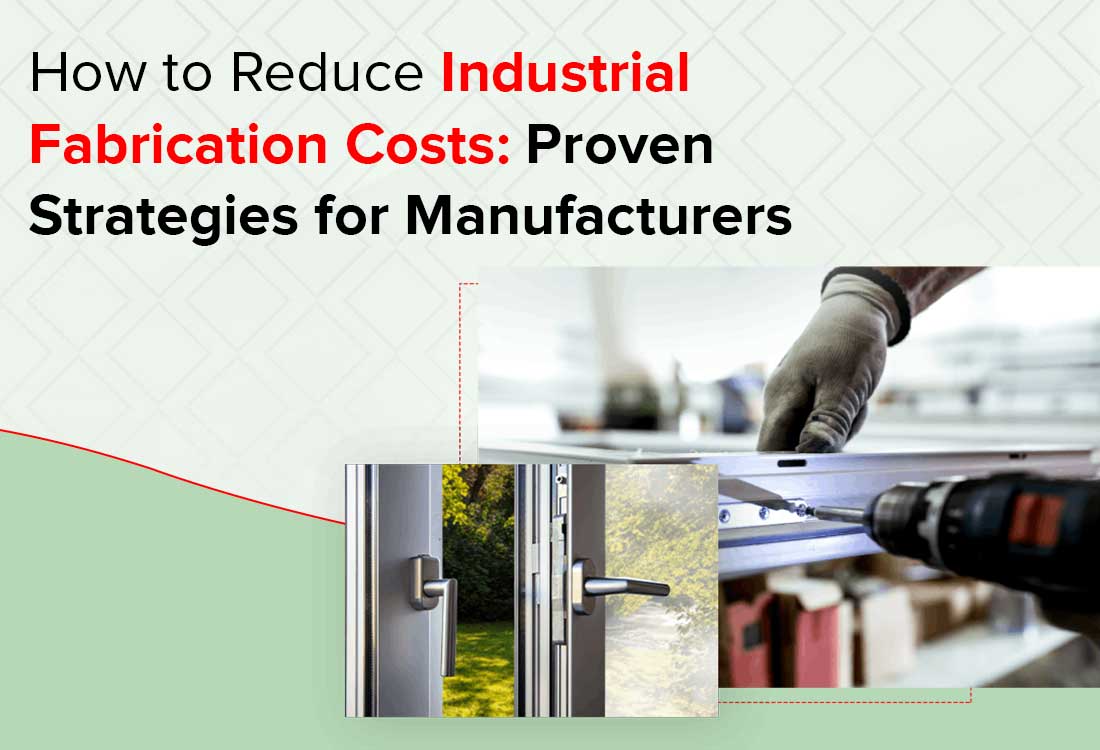
If you’re in the fabrication industry, cost control is a major challenge. To be honest, running a factory efficiently isn’t easy. You’ll constantly find energy bills, equipment maintenance, or material costs; everything will easily leave you overwhelmed.
However, you need careful planning and some proactive strategies, which will help you significantly cut your expenses and ensure more productivity. Most importantly, you need to focus on actionable & sustainable methods that minimize waste, streamline your resources, and most importantly, don’t hamper the product’s quality.
What Exactly is Cost-Cutting?
We often get confused between cost reduction and cost optimization. However, it is important to know these two terms exactly, because they’re not the same.
Cost reduction is all about cutting out unwanted expenses. It is quick, direct, and focused on getting rid of waste immediately. However, it needs to be well-planned and executed to ensure the proper quality of your final output.
On the other hand, cost optimization is a more strategic plan. It includes refining and balancing cost-saving efforts while enhancing overall performance to ensure long-term growth.
In simple terms, cutting a shift may reduce costs today (cost-cutting). However, automating repetitive tasks while retaining skilled labour will help you ensure smart savings over time(cost optimization).
Top Tried and Tested Cost Reduction Strategies for Industrial Fabrication

Streamline Your Process With Lean Manufacturing Methods
Lean manufacturing is a process that involves identifying and eliminating waste. Are there procedures in your production that have no value to the final product? Take them out. With time, lean principles have been effective in cutting costs without hampering quality.
Plan Equipment Maintenance
Consider your machines as your car. Will you wait for your car to break down before getting it serviced? Well, the answer will be no. Regular preventive maintenance will lower the risk of breakdowns, which further prevents unexpected downtime, leading to delays in production. Using this approach can help your business cut maintenance costs by more than 20%.
Cut Down Excess Inventory
You may be tempted to stock raw materials just in case. However, overstocking will eat up space, consume resources, and impact your cash flow. To eliminate such issues, various Just-In-Time inventory systems are available in the market.
They will help you identify what’s needed, only when it’s needed, cutting down storage costs and waste at the same time.
Optimize Energy Usage
When you look at your energy bills from the last six months, chances are that you may find unnecessary electricity usage, which further increases your expenses. To cut down such costs, you need to use LED lighting, recalibrate old equipment, or invest in the latest, energy-efficient systems.
Notably, some businesses have saved up to 15% on energy costs by focusing solely on inefficient appliances and machinery.
Train Your Workforce
Nobody knows the equipment and machinery better than people working on your factory floor. Training your employees to recognize and get rid of waste, or suggesting methods to optimize resource use, can save you a lot of money.
Apart from that, trained employees can work more efficiently, which improves your workplace’s productivity levels.
Recycle Waste Material
Sometimes, scraps don’t belong in the bin. You can use a bit of creativity to recycle or sell materials like plastic, metal, or packaging. Nowadays, factories are turning scrap into secondary raw materials, cutting down waste handling costs.
Enhance Quality Control
Defects not only waste your resources, but they also waste your time. That’s why you need to install stricter quality control measures early in the production process, which will lower the chances of sending out defect products. Prevention is always better and cheaper than reworking or scrapping items.
Optimize Supply Chain Relationship
Your supply chain partners are important for your production process. You should regularly review supplier contracts to renegotiate terms or find other options offering affordable prices. Having a transparent relationship with vendors will always ensure seamless operations.
Analyze the Factory’s Data
Technology is there to assist you. Real-time analytics tools offer insights into where your money and resources are being depleted. Whether it’s the machinery’s efficiency reports or labour utilization charts, knowing the data effectively helps you make well-informed decisions.
Summing Up
Cutting down costs can definitely help you save money. However, with strategic planning and execution of the strategies mentioned above, it will also help you ensure that the quality of your final product isn’t hampered.
If you’re looking for effective, pocket-friendly custom fabrication solutions, look no further and contact KEAR Fabrication.
Frequently Asked Questions
How can I reduce Material Costs in Fabrication?
To reduce material costs, you need to standardize materials used in production and optimize resource allocation.
How Does Automation Lower Long-Term Fabrication Costs?
Automation improves precision & speed, cuts labour costs to a fraction, and lowers the burden on the manufacturing process.
What are the Best Ways to Manage Labour and Overhead?
- Train your employees to handle multiple machines.
- Schedule regular machinery checkups to avoid emergency repairs.
- Identify energy-intensive machines and recalibrate them.