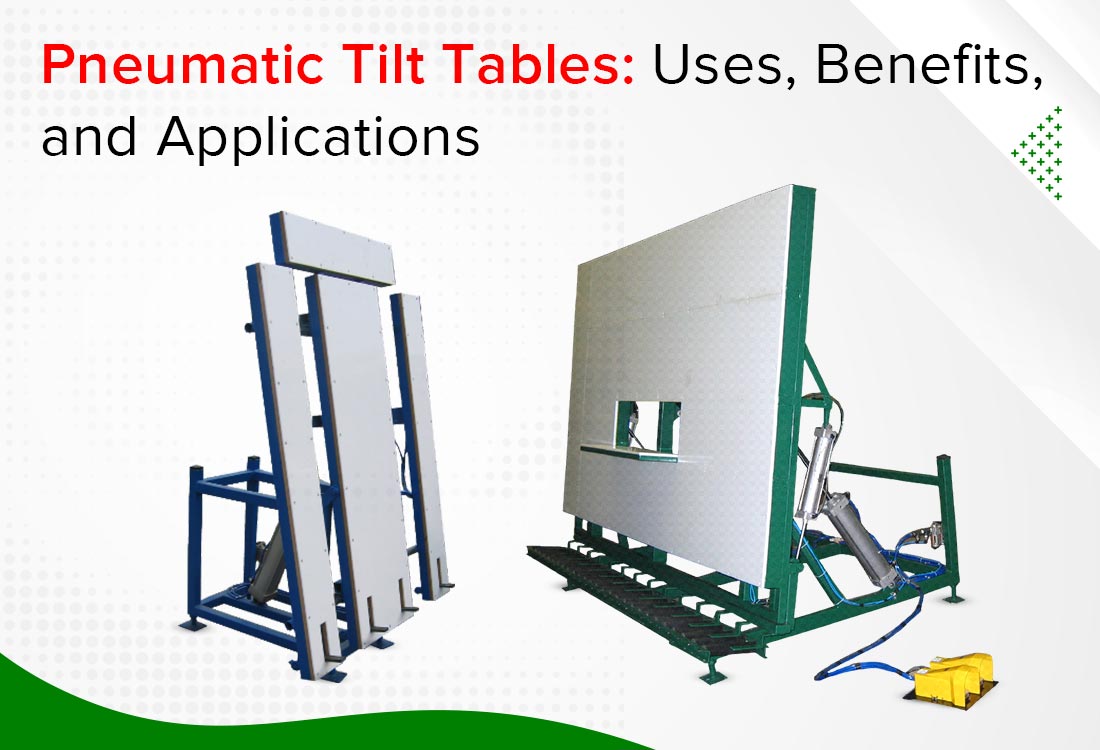
Pneumatic Tilt Tables: Uses, Benefits, and Applications

Ever tried lifting or turning something heavy over and over again at work? Does it not lead to backache, tired arms, and sometimes make you feel that it takes longer than expected? Well, most of the people have this feeling in workshops and warehouses.
This is where pneumatic tilt tables come in and take the strain away. By tilting heavy items into the right position, they make work easier, safer, and faster. Due to this, across industrial facilities in Canada, these tables have gained popularity.
If you’ve ever wondered what these machines are, why industries swear by them, and how they’re being used, this blog has you covered.
What Is a Pneumatic Tilt Table?
Imagine trying to work on a heavy box or machine part that’s lying flat on a table. To reach it properly, you end up bending, stretching, or wrestling with the load.
A pneumatic tilt table solves that problem. It gently tilts the item toward you, bringing the work to a more comfortable height and angle.
The table uses compressed air to do the tilting, so there’s no oil, no complicated motors, and no messy maintenance. It’s simple, smooth, and reliable. In busy industrial spaces, that small tilt makes a big difference, less strain on workers and a lot more control over heavy loads.
Why Pneumatic Tilt Tables Matter in Industrial Settings
Protect Workers with Better Ergonomics: Pneumatic tilt tables lift and tilt heavy items to a comfortable height and angle. Workers don’t have to reach into bins on the floor or strain to lift items from a table. The result? Less back and shoulder strain, fewer aches, and a big drop in the kinds of injuries that often come from manual handling.
Good ergonomics isn’t just about comfort; it’s a smart investment. Fewer injuries mean less downtime and a team that can focus on getting work done.
Simple, Reliable, Low-Maintenance: Each one of you might have this question in your mind: What makes pneumatic tilt tables so practical? Well, the answer lies in the way they work. These tables run on compressed air instead of electric motors or hydraulic systems.
As most industrial workplaces already have an air supply, you avoid messy fluids, complicated wiring and can keep them running smoothly with very little maintenance.
Built-In Safety: Safety is always a priority in industrial settings, and pneumatic tilt tables come with features to protect workers, like:
- Safety bars for maintenance
- Hand or foot controls
- Toe plates and debris skirts
- Enclosed bases to protect the moving parts
By reducing manual lifting and awkward stretching, these tables make work safer, faster, and smarter.
What Are the Key Uses of Pneumatic Tilt Tables?
While pneumatic tilt tables are simple, they are of great use and hence known as one of the most powerful tools. These are used in several ways across industrial settings that make work easier, safer, and faster.
Material Handling and Warehousing
Talking about warehouses and distribution centres, these tilt tables are of utmost importance for workers. The tables help them to handle heavy boxes, totes, or containers without straining. Instead of lifting a bulky box to see inside, the table tilts it toward the worker. This speeds up unloading, reduces effort, and lowers the risk of injury.
Manufacturing and Assembly
Tilt tables make assembly work smoother in factories. They basically position metal sheets, moulded parts, or components at the right angle. With this, workers don’t have to bend, stretch, or struggle to reach them. This is what makes repetitive tasks less tiring and more precise.
Machine Loading and Press Feeding
Tilt tables are also handy for feeding parts into machines like presses, CNC routers, or other production equipment. By tilting the load to the perfect angle, workers spend less time adjusting pieces and more time on quality production.
Inspection and Quality Control
Checking parts for defects or quality is easier with a tilt table. Workers can inspect surfaces, edges, or holes without awkward bending or lifting, helping maintain consistent quality even with heavy or awkward items.
Specialized Uses
If we forget about the basics, tilt tables are useful in other settings as well. This includes —
- Glass and window fabrication
- Automotive parts flipping stations
- Packing and labelling lines
- Tilting large bulk boxes (like Gaylord boxes) for easier emptying
In short, wherever heavy items need positioning, tilting, or easier access, pneumatic tilt tables make the job safer and more efficient for workers.
What Makes Pneumatic Tilt Tables a Smart Investment?
So, why do businesses actually invest in pneumatic tilt tables? The answer is simple, they make work easier and more efficient.
- First, they help people work faster. When workers don’t have to constantly bend, lift, or twist, tasks get done quicker and with less effort. This is especially helpful for repetitive jobs where small delays add up over time.
- Second, they reduce physical strain. Tilt tables bring materials to a comfortable working height, which helps prevent injuries and daily fatigue. Fewer injuries mean fewer sick days, lower compensation costs, and happier employees who can focus on their work.
- Maintenance costs stay low, too. Pneumatic systems are straightforward, reliable, and don’t involve complex wiring or messy fluids. That means less downtime and fewer surprise repairs.
- Lastly, they’re easy to customize. From tilt angles to platform sizes and control options, pneumatic tilt tables can be set up to match how your team already works, no major changes needed.
Choosing the Right Pneumatic Tilt Table
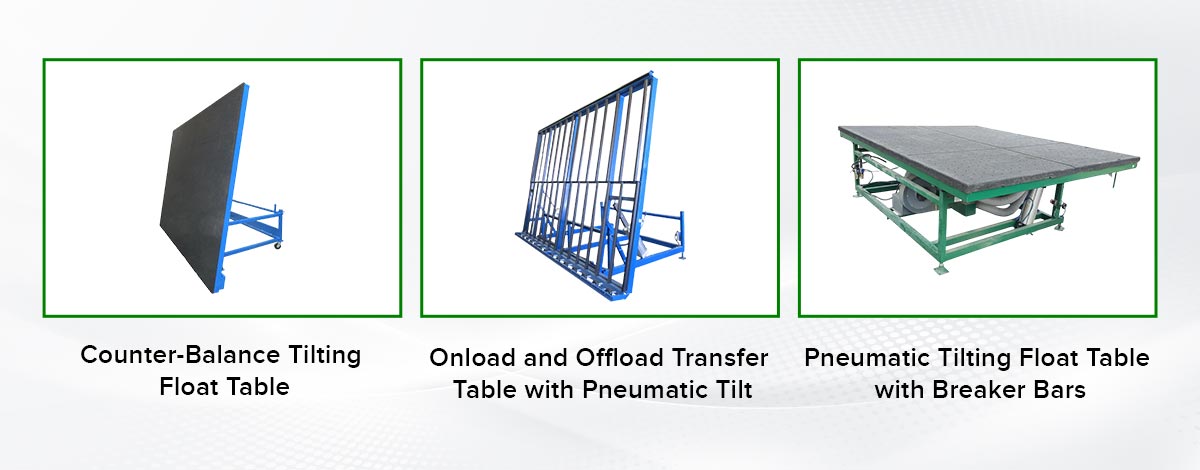
For those who are not sure how to pick the best pneumatic tilt table, consider these
Load Capacity
First, think of the heaviest thing you handle daily. Now, select the table based on the item's capacity. This makes your work safe and helps to avoid strain on both the table and your team.
Tilt Angle Requirements
Some tasks require only a minor tilt for better access, while others necessitate a steeper angle for improved visibility. Knowing this upfront can make you pick the right table.
Controls
Foot pedals are perfect when hands are busy and speed matters. Hand pendants, on the other hand, give more control for precise positioning.
Environment
For the areas where electrical systems or hydraulic fluids aren’t suitable, these tilt tables are a smart choice.
Making the Right Choice for Your Workspace
When you choose the equipment that fits your workspace perfectly, everything feels –
- Easier
- Less stopping
- Less adjusting, and
- Less second-guessing
This is exactly what you can expect from pneumatic tilt tables. Over time, this kind of support adds up to smoother shifts and more confidence on the floor.
So, if you are already exploring dependable tilt table options, KEAR offers practical designs built for real industrial environments. Remember, a well-chosen solution today can make everyday work noticeably better tomorrow.
Frequently Asked Questions
Hydraulic Lift Tables vs. Pneumatic Lift Tables — What’s the Difference?
Hydraulic tables use fluid and pumps, while pneumatic tilt tables run on compressed air. Pneumatic options are cleaner, simpler to maintain, and better suited for workplaces where oil or electrical systems aren’t ideal.
How Do Pneumatic Tilt Tables Reduce Strain in Industrial Workspaces?
They tilt heavy items into a comfortable working position, so workers don’t need to bend, lift, or twist repeatedly. This reduces strain on the back, shoulders, and arms during daily tasks.
Do Pneumatic Tilt Tables Require Special Installation?
Not usually. Most facilities already have compressed air, so setup is straightforward and doesn’t require complex wiring or hydraulic systems.