How to Build a Cost-Effective Assembly Line for Small Manufacturers

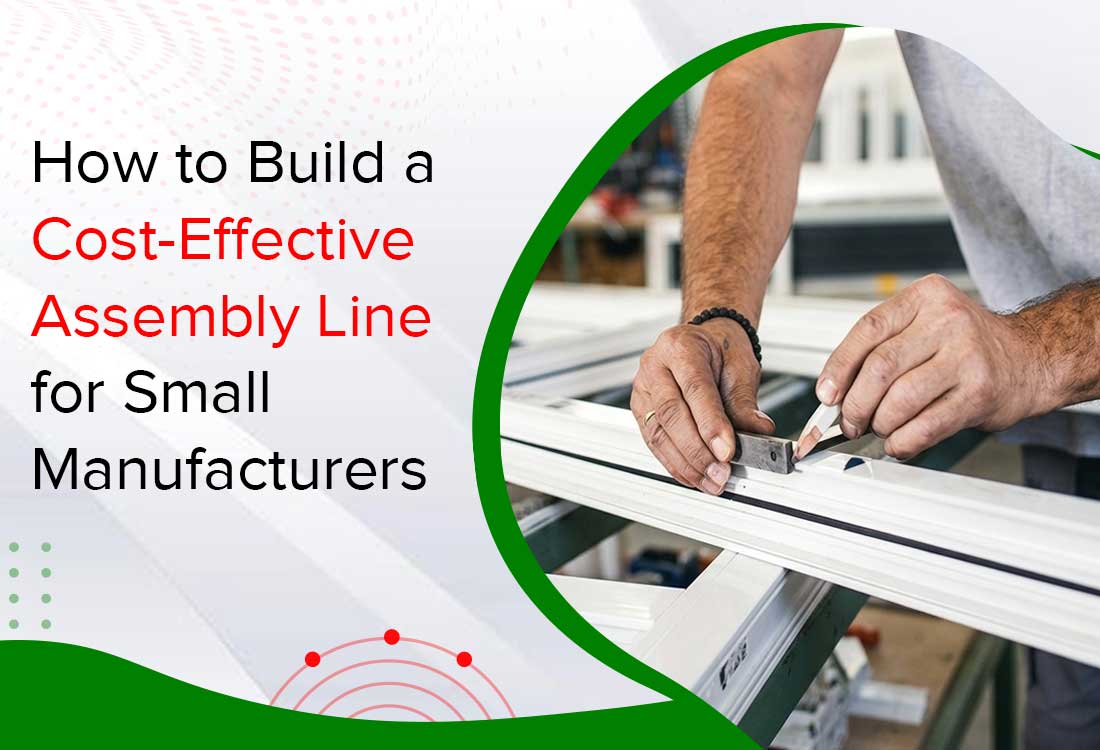
For a small manufacturer, building an assembly line from scratch can be a major financial challenge. The initial investment in equipment, workspace changes, installation, and labour, everything counts when working within a tight budget and limited resources. And this is why many businesses assume that efficient assembly lines can be built only if they have a higher budget and advanced resources. However that is no longer the reality. Smart strategies like smart planning, scalable equipment, and phased upgrades have actually made it easy to build a cost-effective assembly line without overspending.
In this web blog, we’ll walk you through effective ways to do exactly that. You’ll see how the right planning approach and smarter equipment choices can help you improve efficiency while keeping costs under control. Let’s get started.
Do Process Mapping First
Process mapping means analyzing how your current workflow is going on. It gives you a clear understanding of each step of the production process and also identifies where time, effort, or resources may be getting wasted. Why this step? Because it shows whether there is truly a need for new equipment or if the real issue lies in the existing workflow. In many cases, delays are caused by bottlenecks, unnecessary movement, poor workstation setup, or unbalanced tasks rather than a lack of specific machinery. So before you proceed with your purchase, doing a quick review of your process can help you make smarter decisions and invest your money where it’s actually needed, not where it might only be a temporary fit.
Look for Scalable, Modular Equipment
Bigger is not always better. Many small manufacturers make a common mistake and that is investing in oversized systems that they don’t fully need yet. In fact, this can tie up capital, take up valuable floor space, and create unnecessary complexity for their team. Instead, choosing scalable equipment would be a better approach. For example, equipment like modular conveyors, adjustable workstations, mobile material handling carts, and semi-automated stations are all practical options because they offer flexibility. You can start with what supports your current production volume and expand later as demand increases. That’s how you can manage cost while fulfilling all your production needs.
Optimize Layout
Sometimes changing layout can solve many issues affecting productivity and workflow. When the layout is not right, let’s say workers have to walk back and forth to collect materials, they need to move products across the floor multiple times, or tools are placed too far from the workstations, the entire process becomes slower than it needs to be. Valuable time is being invested in unnecessary movements instead of productive work. Same if manufacturers do a smart layout planning depending on their processes, for example U-shaped layouts or straight-line flow, they can speed up production, free up valuable time, improve communication between workers, and ensure smooth movement of products in a clear direction. One more benefit of better layout is reduced fatigue and wasted motion for workers, which is often because of excessive walking and poorly placed products or materials.
Start with Ergonomic Tools, Then Scale Into Automation
Automation in today’s time is valuable but for small manufacturers, we don’t recommend relying fully on it as it can lead to higher cost. The best approach is to start with ergonomic tools to reduce capital expenditure, worker fatigue, repetitive strain, and manual handling inefficiencies. Tasks like labeling, sorting, moving materials, or packaging assistance can all be handled with cost-effective semi-automated tools, lift tables, conveyors, and adjustable workstations. Over time, as your business and budget grows, you can then gradually invest in advanced automation such as robotic systems, smart conveyors, integrated software, and high-speed production equipment.
Improve in Small Steps
You do not need to build your entire assembly line at once when you can improve your setup step by step. In fact, many small manufacturers follow this approach as a smart, more practical way to manage growth. You can start by adding basic workstations or simple tools, then slowly add new stations, equipment, or upgrades as your production increases and your budget allows. This approach helps you control costs, reduce risk and also give you enough time to understand what works best for you before making further investments.
Create Clear Work Procedures
For every workstation, create easy-to-follow steps to help workers know exactly what to do and how to do it. This will also keep them aware of the correct process, reduce confusion, mistakes, and ensure consistent quality in every unit being produced. Moreover, when everyone follows the same method, your production becomes more predictable and easier to manage.
What These Improvements Actually Do for Your Business
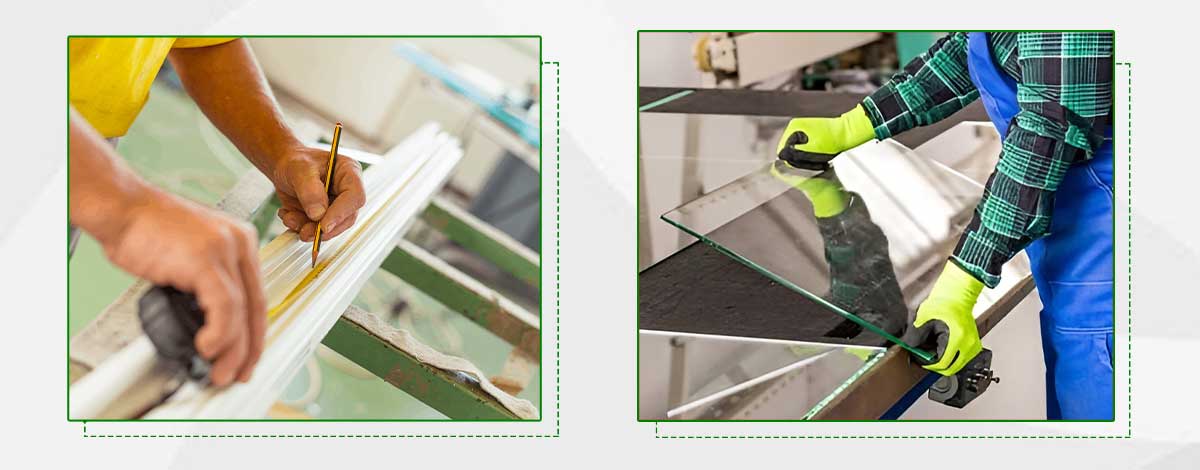
With these changes, you don’t just get a better-organized assembly line but also start seeing real operational benefits that directly impact your business. For example:
- When work becomes organized, less time is wasted on unnecessary movements, and repetitive tasks are handled by ergonomic or basic automated tools, overall labour effort decreases, which reduces operational cost.
- At the same time, your team is able to produce higher output with the same number of workers. Moreover, every upgrade you make streamline the process, reduce delays, which leads to better return on investment.
- Production is done on time and orders are delivered in less time, which helps you stay competitive in a growing market.
Conclusion
Building a cost-effective assembly line does not need huge investments; it just needs the right planning, smart layouts, and gradual improvements over time. By implementing these above strategies, manufacturers can successfully create a production system that grows with their business rather than putting pressure on their budget.
If you’re looking to build or upgrade your assembly line with solutions that are cost-effective yet efficient, Kear Fabrication Inc. can help you. We provide high-performance equipment to simplify and optimize your production processes. Custom solutions are also available to match your workflow and space requirements. Get in touch with us to discuss your assembly line needs in Canada.