7 Preventive Maintenance Mistakes That Cause Unexpected Downtime in Glass Handling Equipment

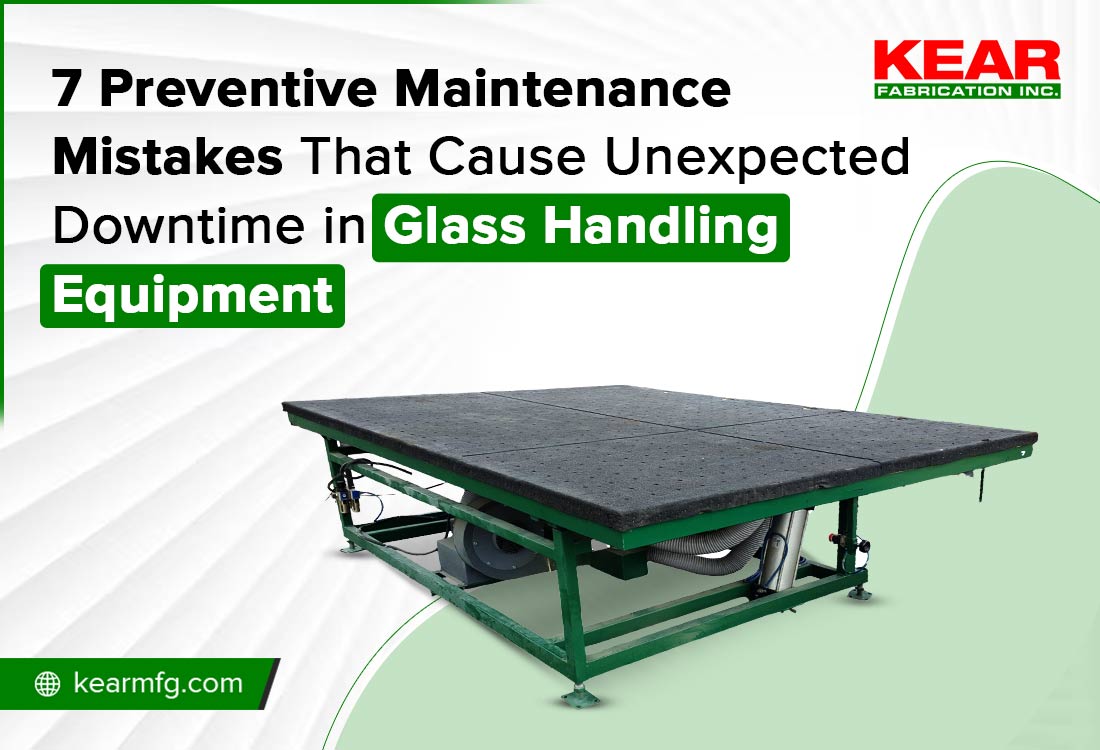
One equipment breakdown mid-shift can throw off an entire day's production. And the worst part? Most of it was preventable.
Glass handling equipment doesn't just fail out of nowhere. It gives signals, and those signals get ignored. Not always out of carelessness, but because the maintenance being done feels like enough.
That's exactly where the problem hides. This blog breaks down seven preventive maintenance mistakes that quietly push equipment toward failure, so you know what to fix before it costs you.
Why "We Do Maintenance" Isn't Enough Anymore
Most facilities do have a maintenance routine. The problem is it was built around convenience, not equipment needs.
Checking what's easy to see and skipping what isn't is still incomplete maintenance, even if it's scheduled.
Doing the same checks every 30 days regardless of how hard the equipment was running that month is a pattern, not a plan.
Maintenance that doesn't evolve with the equipment's workload will always fall short.
The goal isn't just to maintain. It's to maintain the right things at the right time, before something breaks.
The 7 Preventive Maintenance Mistakes to Stop Making Now
Skipping Suction Cup Inspections Until They Visibly Fail
Suction cups don't announce failure. They just stop holding. By the time cracking shows up, the seal has already been compromised for weeks. Inspect them by feel, not just sight, and replace them on a schedule based on usage, not appearance.
Using Generic Lubricants Instead of Equipment-Specified Ones
Saving a few dollars on lubricant sounds smart until a bearing replacement bill lands on your desk. Wrong lubricants break down seals faster, attract dust, and wear out precision parts. Always check OEM specs before swapping anything out.
Ignoring Alignment Checks on Glass Conveyor Systems
A conveyor that looks fine can still be slightly off. That slight misalignment creates vibration, and vibration chips glass edges, strains motors, and wears belts faster than normal use ever would. Alignment drift is gradual, which is exactly why it gets missed.
Overlooking Compressed Air System Maintenance
Most teams service the compressor and stop there. But moisture trapped in air lines corrodes components from the inside out and makes suction inconsistent. Dryer filters and moisture traps need attention every single maintenance cycle, not occasionally.
Treating Maintenance Logs as a Formality
If no one is reading the logs, they serve no purpose. Maintenance records exist to catch repeating problems before they become expensive ones. A component that fails three times in six months is telling you something. A log nobody reviews will never tell you anything.
Training Gaps in the Maintenance Team
This one is uncomfortable to talk about because it's about people, not parts. A technician trained on heavy industrial equipment may not recognize early warning signs specific to glass handling systems. Torque tolerances and vacuum pressure thresholds are different here. Team training needs to match the equipment being maintained.
Relying on Fixed Schedules Instead of Condition-Based Triggers
Servicing equipment every 30 days makes sense on paper. It doesn't account for a machine running double shifts in summer heat versus a single shift in a controlled environment. If the workload changes, the maintenance frequency needs to change with it. Unusual sounds, pressure drops, and slower cycle times are signals. Pay attention to them.
What Good Preventive Maintenance Actually Looks Like
Every component has its own inspection checklist, not a shared one that covers everything loosely.
Maintenance frequency adjusts based on how hard the equipment is actually working, not just the calendar.
Logs are frequently checked, and repeated problems are caught before they become failures.
Operators working with glass handling equipment are aware of the equipment’s tolerances and warning signs.
Minor observations by daily operators, such as unusual sounds or sluggish cycles, are noted and documented. Good maintenance is not doing more. It's about paying attention to the right things consistently.
Good maintenance isn't about doing more. It's about paying attention to the right things consistently.
Making Preventive Maintenance Easier With Kear Fabrication
Unexpected downtime rarely comes from nowhere. It builds up quietly through skipped inspections, wrong lubricants, unread logs, and schedules that never adapt. The good news is that every mistake covered in this blog is fixable without overhauling everything at once.
Start with what's being ignored most, fix that first, and build from there.
Downtime doesn't warn you. It just costs you.
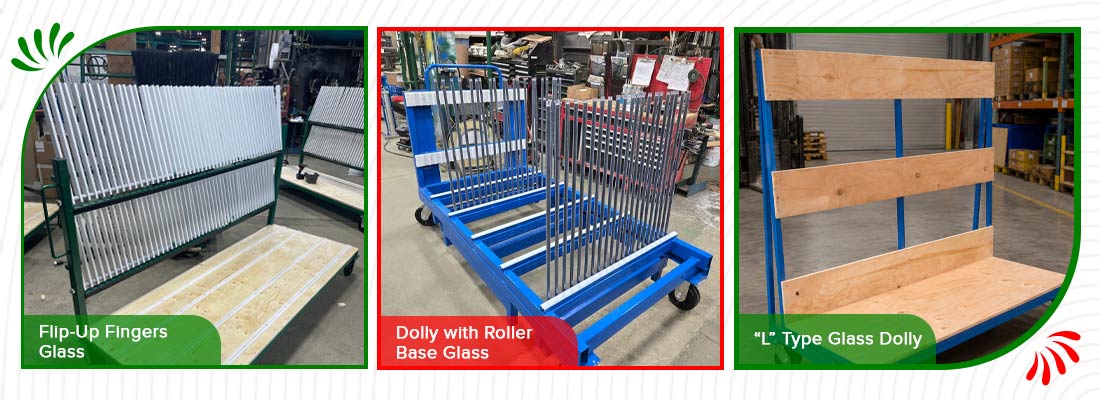
Kear Fabrication Inc. builds glass handling equipment for Canadian manufacturing facilities. Whether you're fixing ongoing maintenance issues or starting a new line, we work around your setup. Not a catalog.
No generic solutions. No guesswork. If your equipment is costing more than it should in delays, repairs, or daily workarounds, we can fix that. Get in touch with us to discuss your manufacturing equipment needs in Canada.