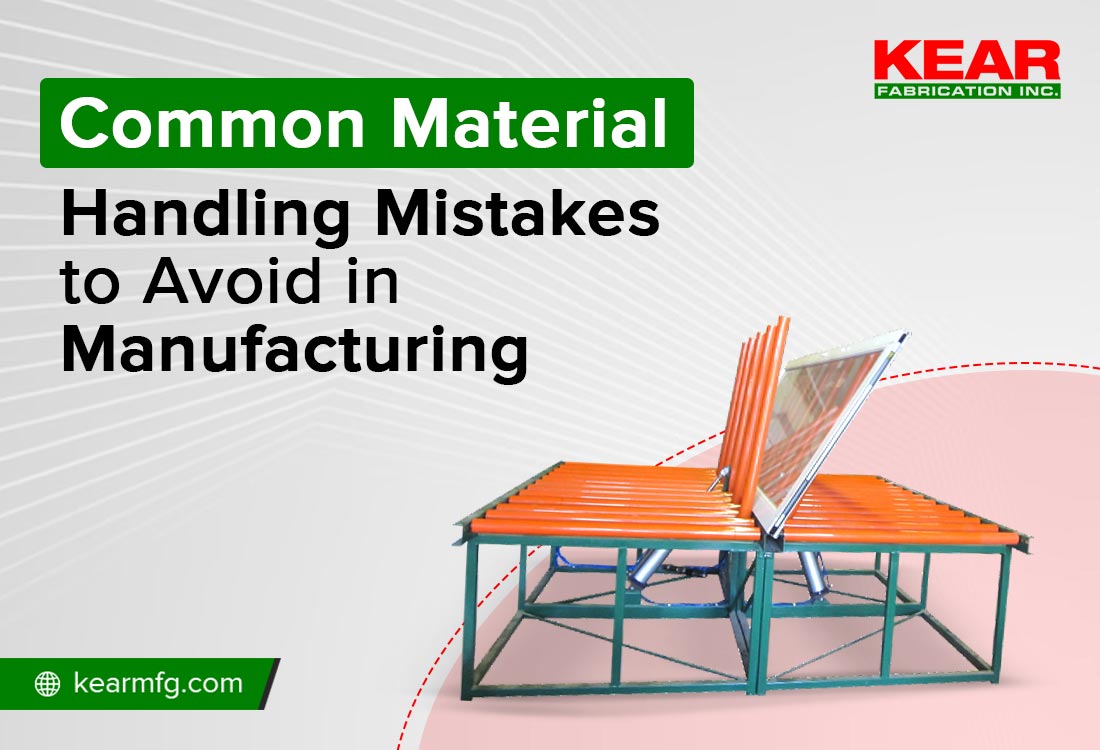
Common Material Handling Mistakes to Avoid in Manufacturing

Ensuring safety of your operations and improving efficiency with strategic material handling practices is extremely important. It is the most essential factor for efficiency & safety in manufacturing, ensuring seamless material flow, preventing accidents, and improving productivity.
However, even with the most safest methods, one cannot ensure safety and continuous workflow. To avoid that, we have created a list of common material handling mistakes that you need to avoid to ensure uninterrupted workflow of your manufacturing activities.
Why Material Efficiency is Important in Manufacturing?
Material efficiency is important due to the following reasons:
Cost Reduction & Competitiveness
Materials often influence manufacturing costs. Improved efficiency increases profit margins by cutting down expenses for raw materials, transportation, and disposal.
Environmental Impact Reduction
Reducing loss of materials, such as efficient design or reusing components, lowers greenhouse gas emissions and cuts down the ecological footprint of production.
Resource Security and Sustainability
Manufacturers can reduce dependence on scarce raw materials by maximizing the value from materials and promoting recycling & reuse.
Top Common Material Handling Mistakes to Avoid During Manufacturing
Ignoring Ergonomics and Over-relying on Manual Handling
Relying on manual lifting not only consumes a lot of time, but it also causes immense back injuries. According to a latest study, there are over 1 million cases of back injuries annually in the manufacturing sector. Failure to use lifting aids can result in fatigue, strain, and musculoskeletal disorders that may limit your physical activity afterwards.
Inadequate Maintenance of Equipment
Skipping routine maintenance on cranes, forklifts, and conveyors can result in unexpected breakdowns and safety hazards, such as failing loads. This will disrupt your operational workflow and cost a lot of money spent on manufacturing products.
Poorly Designed Workflows & Layouts
Cluttered aisles and inefficient, long travel paths can result in tipping, damaged equipment, along with severe injuries that will further disrupt your workflow.
Improper Load Management
Overloading equipment or failure to properly imbalance materials can lead to tipping, damaged equipment, and waste of time. This will further lead to operational disruption that can be costly to your company.
Lack of Proper Operator Training
Allowing untrained staff to operate powered equipment like forklifts can significantly increase the risk of accidents.
Inadequate Storage Research and Utilization
Leaving empty, unused space within storage and failing to use flexible, customized racking leads to inefficient space usage and utilization.
Essential Things That Will Improve Your Manufacturing Workflow
Prioritize Safety Inspections
You need to regularly check cranes, slings, and hooks for wear and tear. Doing so will help you prevent accidents.
Implement Ergonomic Solutions
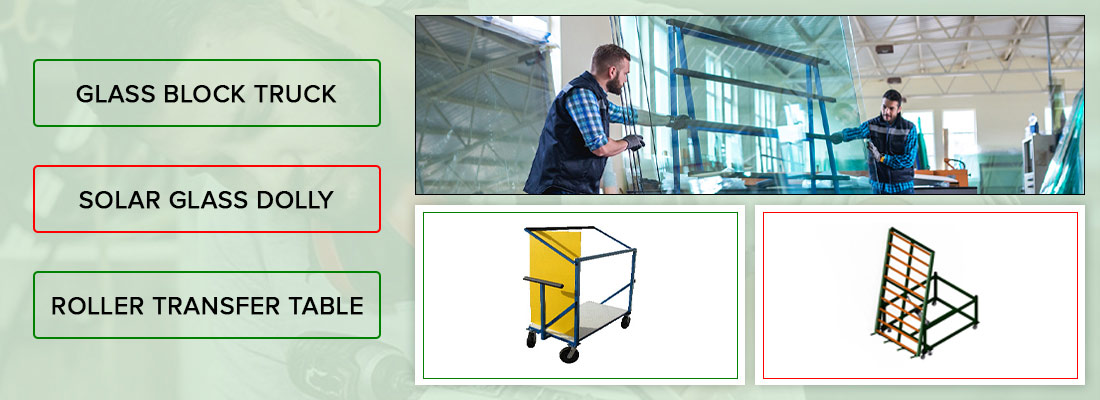
Use trolleys, conveyors, and lift tables to reduce manual strain during the manufacturing process.
Optimize Workflow
Reorganize your facility to cut down material transport distance and eliminate unnecessary movement.
Invest in Staff Training
Conduct regular safety training and certification for all operators. This will help them stay updated with new advancements in manufacturing products and avoid disruptions in the production floor.
Conclusion
There are many ways in which you can improve your manufacturing process. At the same time, there are various common mistakes that you need to avoid to prevent any disruption that may cost you a lot of money and time during manufacturing.
The abovementioned tips can definitely help you avoid such mistakes and improve your manufacturing process’ productivity in the best possible way.
If you’re looking to improve your manufacturing process with cost-effective solutions, Kear Fabrication Inc is here for you. Our team of experts will help you get customized solutions that align with your workflow requirements. Contact us now to discuss your manufacturing requirements in Canada.