How to Make Workloads Easier with a Scissor Lift Table

The first hour of work feels fine, you’re moving boxes, adjusting tools, reaching for parts. It’s all part of the routine. But by the fifth hour, your back starts to ache. Every lift feels heavier, every bend a little slower. By the end of the day, it’s not the workload that gets to you, it’s the strain of doing it over and over again.
That’s where a scissor lift table makes a real difference. It keeps your work at the right height, takes the pressure off your back, and makes lifting and handling tasks smoother and safer. It’s a small change that can make every shift feel a lot lighter.
The Everyday Challenge at Work
No matter the industry, tough workloads show up in small but draining ways every single day:
Endless lifting and lowering - boxes, tools, and materials that never seem to stay at one height.
Awkward postures - bending, stretching, or twisting just to reach what you need.
Repetitive motions - doing the same lift hundreds of times a day wears you down faster than you think.
Uneven surfaces and setups - constantly adjusting to get materials in the right position.
Time lost to fatigue - when your body’s tired, work slows down, and so does productivity.
These aren’t just minor inconveniences; over time, they turn simple tasks into daily strain.
What Exactly Is a Scissor Lift Table?
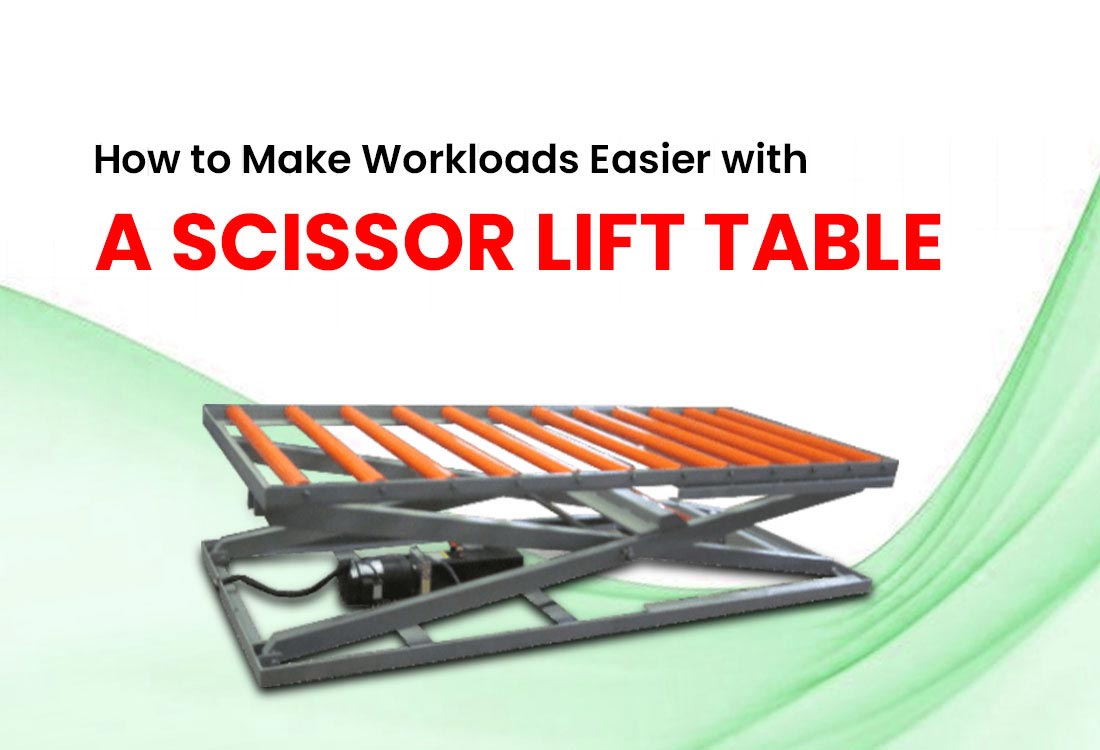
Have you ever seen that sturdy platform that moves up and down and lifts boxes, pallets, or tools in a warehouse or workshop? That is what a scissor lift table is.
It has a crisscross ‘X’ pattern under the platform that resembles a pair of scissors. This expands and contracts, making it possible to adjust the height. The lifting mechanism is usually powered by hydraulics or electricity, allowing smooth and controlled movement.
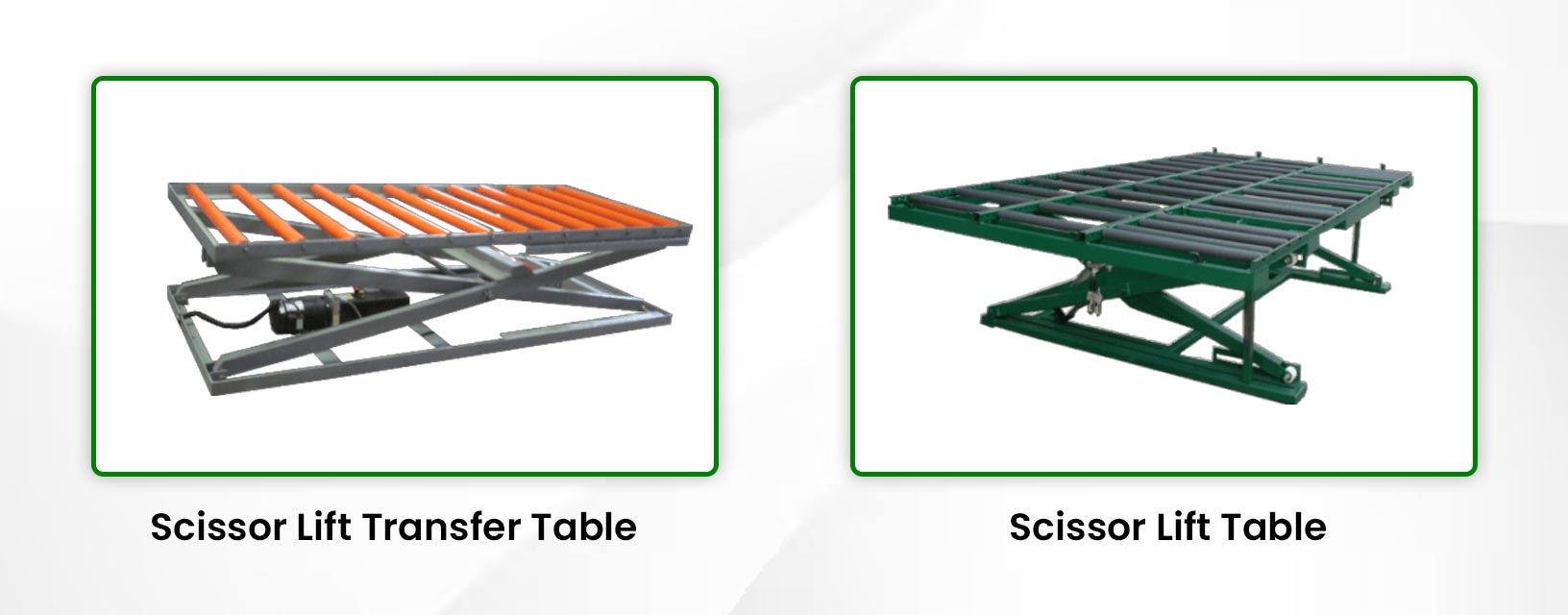
You can find different types of scissor lift tables. Some are mobile, with wheels for easy movement around a workspace, while others are stationary and built to handle heavier loads. These are commonly used in manufacturing, warehouses, and workshops to –
➤ Reduce manual lifting
➤ Minimize strain on the back
➤ Improve workplace safety
How a Scissor Lift Table Improves Everyday Workflow
People usually think that scissor lift tables are only ideal for big factories or industrial sites. This is not true! These are versatile tools and are just right for almost all types of workspaces. Be it small workshops or busy warehouses, it makes daily tasks easier, safer, and more efficient.
Let’s now go through some of the many benefits of using this table.
Better Ergonomics and Comfort: When you have to continuously bend and lift, it can hurt your body. However, a scissor lift table helps maintain a comfortable working height. This way, employees can work properly, without straining their backs or knees.
Improved Safety: Did you know? Each day, an average of 6,000 people die as a result of work-related accidents or diseases, totalling more than 2.2 million work-related deaths a year. Of these, about 350,000 deaths are from workplace accidents, and more than 1.7 million are from work-related diseases.
The majority of the injuries happen due to repetitive strain or lifting beyond one’s capacity. This is what a lift table helps to avoid. So, no more worrying about injuries at work.
Efficiency and Speed: When materials are kept at the right height, complex tasks like loading, assembling, or packing get faster and smoother. It reduces the body movement and time spent on each task, improving workflow and output.
Versatile Applications: Be it a warehouse, an auto repair shop, a printing unit, or a packaging facility, a scissor lift table works wonders for all. Even those small businesses use it for sorting, organizing, or handling goods throughout the day.
Where Are Scissor Lift Tables Commonly Used?
The fact is, you can find lift tables in almost all kinds of workplaces as they make work easier. Let us now look at how they are used in different settings.
WAREHOUSES : Used to lift pallets or move heavy items to higher shelves without strain.
MANUFACTURING & ASSEMBLY LINES : Workers use them to keep parts and tools at a comfortable height for efficiency.
MAINTENANCE & REPAIR SHOPS : Mechanics use mobile lift tables to raise equipment and components during repairs.
FOR DELICATE MATERIALS : When working with glass or fragile items, tools like Glass Cutting Tables or Air Float Tables can be used alongside lift tables.
Best Practices for Smooth Operation
- Keep loads centered on the platform for balance.
- Stay within the weight limit to prevent wear and tear.
- Inspect the lift regularly for oil leaks, loose bolts, or worn parts.
- Use smart combinations, like pairing with Roller Transfer Tables for easier material movement.
- Train your team to prevent accidents and ensure proper use.
Choosing the Right Scissor Lift Table for Your Job
Before picking one, think about what kind of work you’re doing and what problems you’re trying to solve. Here are a few key points to consider:
Load Capacity: Determine how heavy your items are and choose a table with a safe margin above that weight.
Lift Height and Platform Size: Decide whether you need small adjustments or several feet of lift. Make sure the platform fits your largest items.
Power Source: Hydraulic, electric, or pneumatic systems are available. For quiet and clean operation, pneumatic options like Pneumatic Tilt Tables are great.
Mobility: Choose between fixed or mobile models with lockable wheels depending on your workflow.
Safety and Maintenance: Look for emergency stop buttons, overload protection, toe guards, and easy access to parts especially important in Canada for service availability.
To Bring It All Together
If your back could talk, it would probably thank you for getting a scissor lift table. Beyond the muscle relief, it brings smoother operations, faster task handling, and better focus for your crew.
The real win? Everyone ends the day a little less tired and a lot more productive.
Ready to make work feel lighter? Check out our Scissor Lift Table and see how this little upgrade can make a difference. Your team (and their backs) will thank you later.
Frequently Asked Questions
How much maintenance does a scissor lift table need? Not much, but regular care goes a long way. Checking hydraulic fluid levels, inspecting moving parts for wear, and tightening any loose bolts once a month can keep your table working smoothly for years.
What safety features should I look for in a scissor lift table? Good lift tables come with essential safety features like toe guards, safety skirts, overload protection valves, and emergency stop buttons. Some advanced models even include safety locks or limit switches to prevent accidental lowering during use.
What’s the typical lifespan of a scissor lift table? With regular maintenance and proper usage, a quality scissor lift table can last anywhere between 10 to 15 years, or even longer. Heavy-duty industrial models, when serviced regularly, often stay reliable well past that range.